Psychological First Aid: Supporting Mental Health in Crisis Situations
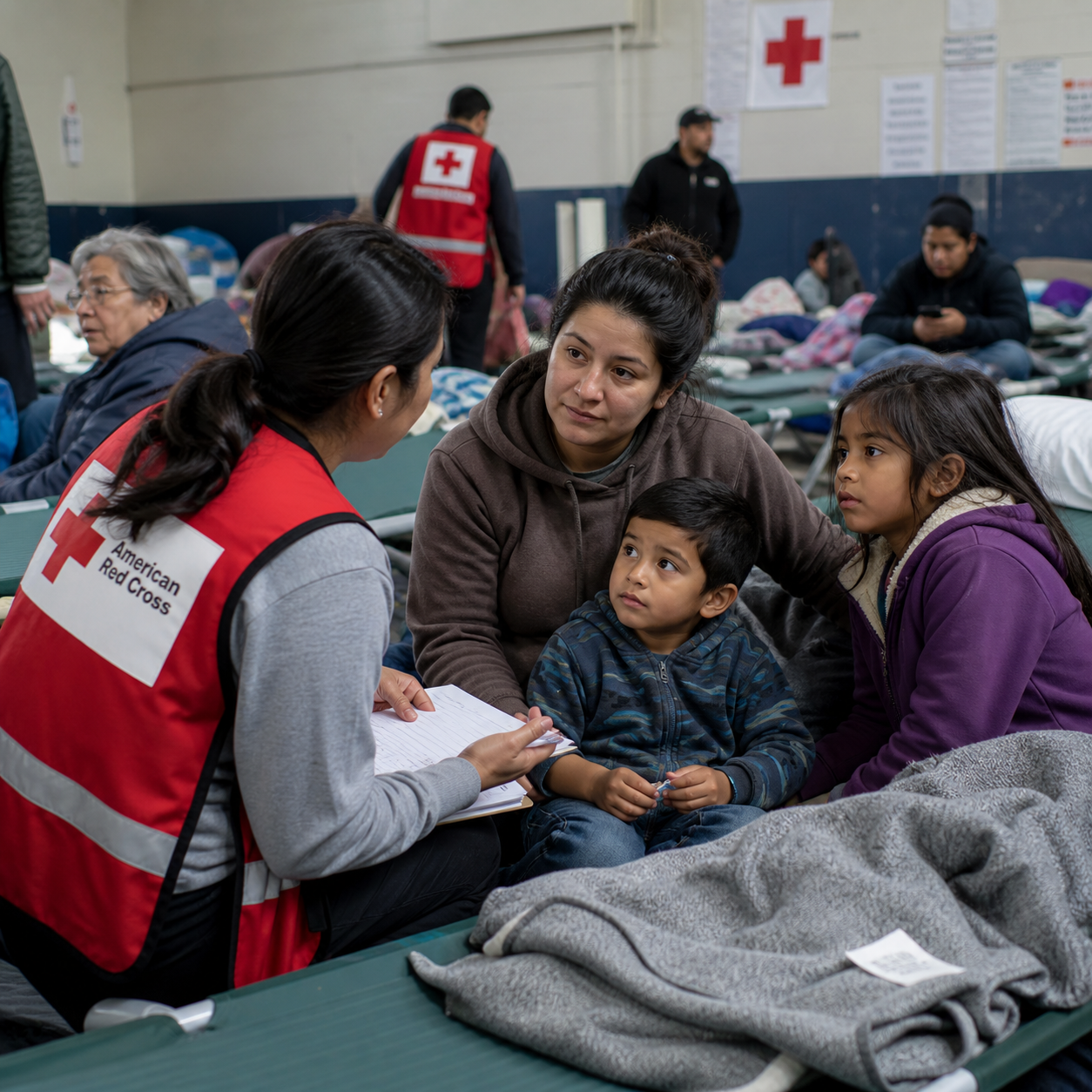
Psychological First Aid (PFA) gives emergency response volunteers a practical way to support people facing emotional distress during or after crisis situations. It focuses on safety, dignity, calm, connection, and access to further help rather than diagnosis or therapy.
After a disaster, evacuation, serious accident, or community emergency, people may feel frightened, confused, numb, angry, or overwhelmed. A volunteer cannot remove the crisis, but a calm conversation, accurate information, a safe place to sit, or help reconnecting with family can reduce immediate strain.
What Is Psychological First Aid?
Psychological First Aid is humane, practical support for people affected by crisis situations; it promotes safety, calm, connection, coping, and access to services without replacing clinical care.
PFA is designed for the first hours, days, or weeks after a distressing event. It is suitable for trained responders who work in shelters, evacuation centers, disaster sites, hospitals, reception areas, and community settings. The approach is flexible because people respond to emergencies differently.
Core goals include:
- Promoting safety: addressing immediate physical danger, medical needs, shelter, food, water, and protection.
- Reducing additional stress: offering clear information and a calm environment.
- Supporting connection: helping people contact relatives, friends, cultural leaders, or trusted services.
- Encouraging healthy coping: identifying practical actions that help someone manage the next few hours.
- Linking people to assistance: providing referral to mental health services, healthcare, safeguarding teams, or social support.
PFA is not counseling, psychotherapy, psychological debriefing, or a promise that someone will feel better immediately. The World Health Organization’s psychological first aid guidance emphasizes humane, supportive, and practical assistance while respecting people’s rights and choices.
The Role of Emergency Response Volunteers
Emergency response volunteers provide practical, person-centered support within their training, safety procedures, and organizational protocols; they do not diagnose, investigate, or provide clinical treatment.
Your first responsibility is to remain safe and follow the incident command structure. Coordinate with emergency services, shelter managers, medical teams, safeguarding leads, interpreters, and mental health professionals. A volunteer working alone or beyond their competence can increase risk for both the person in distress and the response team.
Appropriate responsibilities may include:
- Observing hazards and helping people reach a safer area.
- Offering water, seating, blankets, medication access through authorized staff, or information about shelter services.
- Using active listening and respectful communication.
- Helping a person identify immediate priorities and trusted sources of support.
- Recording and reporting information according to organizational policy.
- Making a supported referral to medical, safeguarding, or mental health services.
Confidentiality has limits in emergency work. Explain what you can keep private and when you must share information, such as when someone faces immediate danger, a child or vulnerable adult may be at risk, or medical intervention is required. Seek informed consent before sharing personal details whenever possible, and disclose only what is necessary.
How to Approach Someone in Distress
To approach someone in emotional distress, check safety first, introduce yourself, ask permission to help, and offer practical support without forcing conversation.
Use a calm first contact
Check the environment before approaching. Look for traffic, fire, structural damage, violence, weapons, exposed electrical hazards, or crowd pressure. Then maintain a respectful distance and say who you are: “My name is Sam. I’m volunteering with the response team. Would you like some help?”
Consent can be simple and ongoing. If the person says no, steps away, or cannot engage, respect that choice unless an urgent safety concern requires escalation. Cultural sensitivity matters: eye contact, physical distance, gender preferences, touch, and family involvement vary widely. Use a trained interpreter instead of relying on a child or an unqualified bystander.
Assess immediate needs
Ask short, practical questions:
- “Are you safe where you are right now?”
- “Are you hurt or feeling medically unwell?”
- “Is there someone you need to contact?”
- “What is the most urgent problem for you at this moment?”
Notice signs such as shaking, panic, silence, confusion, rapid speech, withdrawal, or difficulty following information. These signs show distress, but they do not establish a diagnosis. Protect privacy by moving to a quieter area when safe, while avoiding isolation if the person needs supervision or protection.
Practical Psychological First Aid Actions
Effective psychological first aid combines active listening, practical assistance, grounding and coping support, reliable information, and connection to trusted people and services.
Listen without pressure
Give the person time. Use brief responses such as “That sounds frightening” or “I’m listening.” Validate the feeling without confirming assumptions you cannot verify. Silence is acceptable. Some people want to talk; others want food, information, privacy, or help finding a family member.
Avoid interrogating the person about what happened. Ask only what is needed to provide safety and support. Do not promise a particular outcome, such as a guaranteed reunion or a fixed recovery time.
Support grounding and coping
Grounding can help someone reconnect with the present when fear or confusion becomes intense. With permission, suggest slow breathing, placing both feet on the floor, naming visible objects, sipping water, or focusing on one manageable task. Keep the suggestion optional: “Would it help to sit somewhere quieter and take a few slow breaths?”
Support coping methods that are safe and familiar, including prayer, cultural practices, contacting family, resting, eating, or following a simple routine. Do not encourage alcohol, recreational drugs, unsafe medication use, or risky behavior as coping strategies.
Provide information and connection
Give information in small, factual portions. Explain what is known, what is uncertain, where updates will appear, and when the next announcement is expected. Help the person contact trusted support networks, registration teams, medical care, community organizations, or mental health services. Practical help often reduces distress more effectively than a long conversation.
When to Escalate or Refer for Additional Help
Escalate immediately when someone faces imminent danger, has urgent medical needs, cannot remain safe, is severely disoriented, or may be experiencing abuse or exploitation.
Follow local emergency procedures and contact emergency services or the designated clinical lead if the person:
- Threatens suicide, self-harm, or harm to another person, or has access to a weapon or other immediate means.
- Cannot care for basic safety because of severe confusion, altered consciousness, extreme agitation, or disorientation.
- Has serious injury, breathing difficulty, chest pain, overdose symptoms, or another urgent medical condition.
- Reports current abuse, trafficking, exploitation, sexual violence, or danger from another person.
- Is a child, dependent adult, or other vulnerable person who is missing supervision or protection.
- Experiences hallucination-like symptoms or behavior that creates immediate risk.
Ask directly about safety when appropriate: “Are you thinking about hurting yourself or someone else?” A direct question does not create suicidal thoughts. If the answer indicates danger, do not leave the person alone unless staying would place you at risk. Alert trained professionals, remove access to immediate hazards only when safe and authorized, and follow your organization’s escalation protocol.
For less urgent but significant distress, arrange referral to mental health services, a primary care provider, crisis line, social worker, or community support organization. Explain the next step, obtain consent where possible, and document the referral according to policy. Avoid making a referral that the person cannot realistically access; consider transport, language, disability, cost, and opening hours.
Common Mistakes to Avoid
The most common PFA mistakes involve pressure, overconfidence, poor boundaries, and advice that ignores the person’s actual circumstances.
- Forcing someone to talk: Volunteers may assume disclosure is necessary. Pressure can increase distress and reduce trust. Offer choice and practical help instead.
- Minimizing feelings: Saying “Stay strong” or “It could be worse” may sound encouraging but can make a person feel dismissed. Acknowledge the difficulty without exaggerating it.
- Making promises: Do not guarantee family reunification, housing, compensation, or emotional recovery. State what you know and identify the next reliable source of information.
- Diagnosing or giving unsupported advice: Labels and clinical recommendations exceed most volunteer roles. Describe observations, consult supervisors, and refer appropriately.
- Ignoring confidentiality limits: Sharing a story casually violates dignity and may create safeguarding risks. Explain information-sharing rules before collecting details.
- Working beyond training: Choosing to handle a suicide risk, abuse disclosure, or severe medical concern alone can delay specialist care. Escalate early.
A useful boundary test is simple: if the action requires clinical judgment, investigative authority, or a promise you cannot control, pause and contact your supervisor.
Looking After Yourself After a Response
Volunteer self-care after a response requires decompression, peer support, supervision, rest, and clear boundaries; seeking professional help is appropriate when distress persists or affects daily functioning.
After a demanding deployment, complete the team check-out, record necessary information, return equipment, and take a brief transition period before driving or making major decisions. Eat, hydrate, sleep, and reduce unnecessary exposure to graphic news or social media. A short operational debrief should focus on facts, referrals, safety issues, and lessons learned rather than pressuring volunteers to relive traumatic details.
Peer support works best when it is practical and confidential within organizational rules. Talk with a supervisor about difficult encounters, uncertainty, or concerns about a colleague. Maintain boundaries after the response: you can care about someone without becoming their sole support or sharing your private contact details.
Seek help from a healthcare professional or employee and volunteer assistance service if nightmares, intrusive memories, persistent anxiety, numbness, irritability, guilt, sleep disruption, substance use, or avoidance continue for several weeks or interfere with work and relationships. If you feel at immediate risk of harming yourself or someone else, contact emergency services or a crisis service now.
Psychological First Aid FAQ
What is psychological first aid, and who can provide it?
Psychological First Aid is practical, humane support after a crisis. Trained emergency response volunteers, humanitarian workers, healthcare staff, and other responders can provide it within their role and local protocols.
Is psychological first aid the same as therapy?
No. PFA offers immediate support, practical assistance, and referral. Therapy and other clinical services involve assessment and treatment by qualified mental health professionals.
What should a volunteer say to someone in crisis?
Introduce yourself, ask permission, and use simple statements such as, “You are in a safer place now,” “I can listen,” or “Let’s work out the most urgent need first.” Avoid judgment, pressure, and promises.
When should emergency services or mental health professionals be contacted?
Contact them for imminent danger, suicidal or violent threats, severe disorientation, urgent medical needs, abuse or safeguarding concerns, or distress that requires care beyond your training.
How can volunteers protect their own mental health?
Use supervision, peer support, rest, hydration, healthy routines, boundaries, and professional assistance when symptoms persist. Volunteer self-care is part of safe emergency response, not an optional extra.