How to Start a Community Emergency Response Team (CERT) in Your Neighborhood: A Step-by-Step Guide
What Is a CERT and Why Does Your Neighborhood Need One?
A Community Emergency Response Team (CERT) is a group of trained volunteers who support professional first responders during disasters and local emergencies. The program was developed in Los Angeles in 1985 and later adopted nationally by FEMA, which now provides the standardized training curriculum and program framework used across the country.
When a major earthquake, hurricane, or severe weather event overwhelms local emergency services, CERT volunteers fill a critical gap. They assist with light search and rescue, first aid, fire suppression support, and organizing shelters — tasks that don't require a badge but do require proper training. In many communities, CERT teams have been the first organized presence on the ground before professional responders could reach affected areas.
The honest reality: a CERT is not a replacement for firefighters, paramedics, or law enforcement. What it does is extend the reach of those professionals by handling manageable situations independently and freeing up first responders for the most critical incidents. That distinction matters, and any well-run team keeps it front and center.
Connect With Your Local Emergency Management Office
The single most important first step is contacting your local emergency management office — not skipping ahead to recruiting neighbors or ordering gear. CERT programs must be sponsored by an official agency, typically a city or county emergency management department, fire department, or similar government body. Without that sponsorship, your group cannot access FEMA-backed training, official program materials, or liability protections.
Start by searching your city or county government website for terms like "emergency management," "Office of Emergency Services," or "emergency preparedness coordinator." Most jurisdictions have a designated CERT coordinator you can contact directly. FEMA's Ready.gov CERT page also maintains a program locator to help you find the nearest active program or sponsoring agency.
When you reach out, come prepared. Explain that you're a motivated resident interested in establishing or expanding CERT coverage in your neighborhood. Ask about existing programs in your area, what the sponsorship process involves, and what support the agency can provide. This conversation shapes everything that follows.
Assess Community Need and Build Initial Support
Before recruiting volunteers, take stock of what your neighborhood actually faces. Identify the specific hazards relevant to your area — flooding, wildfires, tornadoes, industrial facilities nearby — and note any vulnerabilities like a high proportion of elderly residents or limited access roads. This hazard assessment doesn't need to be a formal document at first; a simple written summary is enough to guide early conversations.
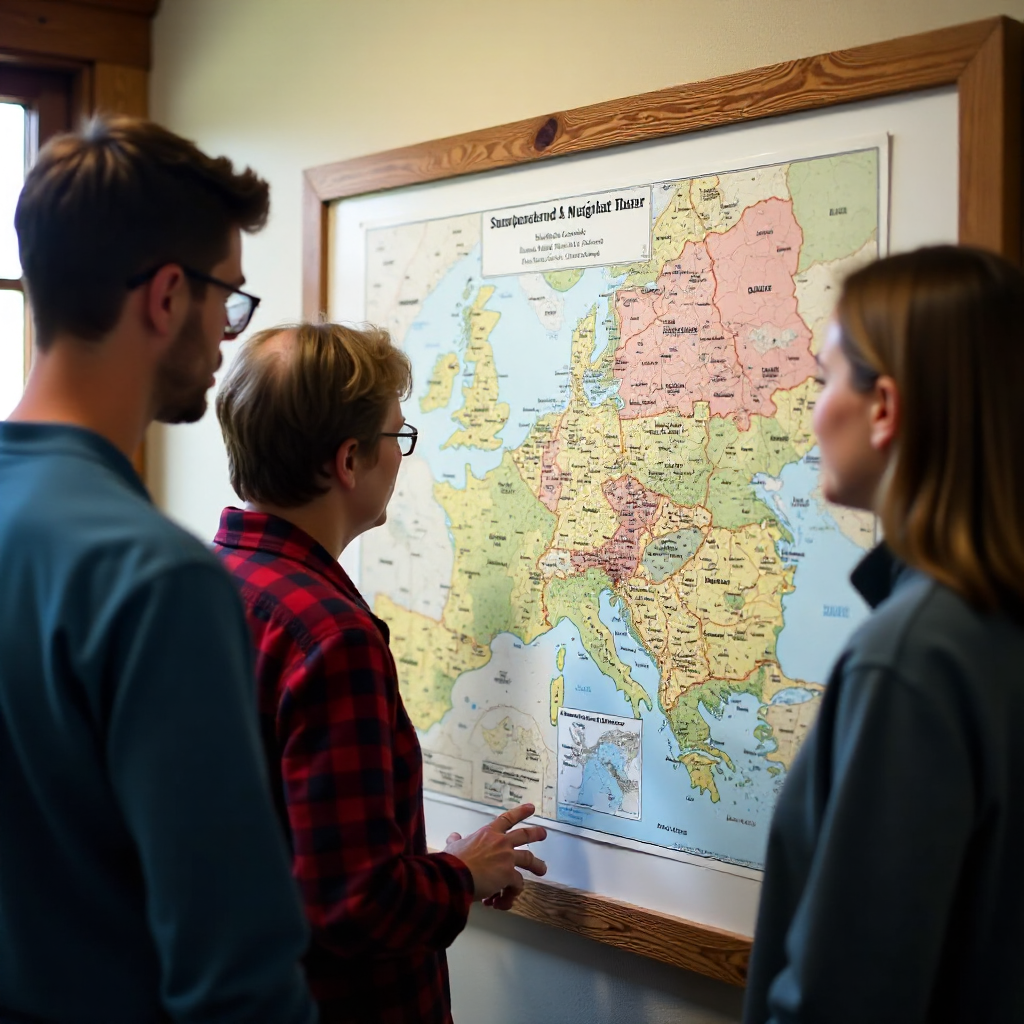
Talk to people. Knock on doors, attend a neighborhood association meeting, or post in a local community group. Gauge whether residents feel a gap in preparedness and whether a handful of them might want to do something about it. You're looking for a core group of five to ten engaged people who can help carry the initial momentum.
This groundwork also helps when you return to your emergency management contact with something concrete: "We have ten interested residents in a neighborhood that sits in a flood zone with no existing CERT coverage." That framing is far more compelling than a general request.
Recruit Volunteers and Form Your Core Team
Effective volunteer recruitment for a neighborhood CERT draws on every channel available — and then stays personal. Flyers at the library and posts in local Facebook or Nextdoor groups cast a wide net, but word of mouth from a trusted neighbor closes the deal.
Reach out to your neighborhood association or civic group, local houses of worship, school parent organizations, and community boards. These networks already have engaged residents who tend to show up when something matters. Local businesses sometimes allow flyers in their windows or will mention CERT at staff meetings, especially if owners live in the neighborhood.
When recruiting, be specific about the time commitment. Vague promises lead to high dropout rates. Tell prospective volunteers upfront that the initial training takes roughly 20 hours, that monthly or quarterly drills are expected, and that activations are unpredictable by nature. People who join with accurate expectations stay.
Aim for diversity in your core team. A CERT that reflects the demographics of its neighborhood — including speakers of languages other than English — will communicate more effectively during an actual emergency and earn broader community trust.
Understand the CERT Basic Training Requirements
The CERT Basic Training curriculum, developed and maintained by FEMA, is the foundation every volunteer must complete before participating in emergency operations. The course covers disaster preparedness, fire safety, hazardous material awareness, disaster medical operations, light search and rescue, team organization, and terrorism awareness.
Training is delivered by your sponsoring agency — typically the local fire department or emergency management office — and usually runs across several sessions totaling about 20 hours. Some jurisdictions offer weekend intensives; others spread the curriculum over several weeknights. FEMA also provides an online independent study course (IS-317) as a supplement, though it doesn't replace the hands-on components required for full certification.
Your sponsoring agency handles enrollment logistics. Once your core team is identified, work with your CERT coordinator to schedule a training cohort. Some agencies run open enrollment where your volunteers join an existing class; others will organize a dedicated session once you have enough participants, typically 15 to 20.
Establish Structure, Roles, and a Formal Agreement
A CERT without clear roles tends to dissolve under pressure. Before your first deployment, designate a team leader, a deputy or assistant leader, and functional roles like communications officer, logistics coordinator, and medical unit lead. These don't need elaborate job descriptions — a one-page summary per role is enough to start.
The formal relationship between your team and the sponsoring agency is typically documented through a Memorandum of Understanding (MOU). This agreement outlines each party's responsibilities, the chain of command during activations, liability coverage, and how equipment is owned and maintained. Your emergency management coordinator will usually provide a standard template. Read it carefully and ask questions before signing.
Basic documentation matters too: a current roster with contact information, a communication tree for activations, and a simple log for tracking training hours and equipment. These records become important when your team is activated or when you apply for grants to fund equipment purchases.
Keep Your Team Active, Trained, and Ready
The hardest part of running a CERT isn't the launch — it's sustaining engagement between emergencies. Teams that only meet during crises tend to lose volunteers to inertia. Teams that stay active between activations stay sharp and stay together.
Schedule regular drills, at minimum quarterly, that simulate realistic scenarios. Rotate who leads each drill so multiple team members gain experience directing operations under pressure. After each exercise, hold a brief debrief: what worked, what didn't, what needs practice. That feedback loop is where real skill development happens.
Community events are an underused retention tool. Staff a booth at a neighborhood fair, offer a basic first aid demonstration at a school, or organize a neighborhood preparedness night. These activities keep your team visible, attract new volunteers, and reinforce the team's identity as a community asset rather than a government program.
Recognize contributions. A simple thank-you email, a mention in the neighborhood newsletter, or an annual appreciation gathering costs almost nothing but signals that volunteers' time is valued. Community resilience is built incrementally, and the people who show up month after month deserve acknowledgment for that consistency.
Frequently Asked Questions
Do I need official government approval to start a CERT in my neighborhood?
Yes. CERT programs must operate under a sponsoring government agency — typically your local emergency management office or fire department. You can organize interested neighbors independently, but official training, liability coverage, and activation authority all flow through that sponsorship relationship.
How much time does CERT training take to complete?
The CERT Basic Training curriculum requires approximately 20 hours of instruction, typically delivered across multiple sessions. After initial certification, most teams expect volunteers to participate in periodic drills and continuing education, which averages a few hours per month.
Can anyone join a CERT, or are there age or physical requirements?
Most programs welcome adults 18 and older, and some accept teens with parental consent through youth CERT programs. There are no strict physical fitness requirements, though certain roles during activations involve physical activity. Many teams find roles for volunteers with mobility limitations in communications, logistics, and coordination functions.
Is there any cost involved in starting or joining a CERT program?
Initial training is typically free through the sponsoring agency. Equipment like vests, helmets, and first aid kits may be provided by the sponsoring agency or purchased through grants. Individual volunteers are rarely asked to pay out of pocket, though some teams fundraise for supplemental supplies.
What happens when a CERT is activated during an actual emergency?
When activated, CERT volunteers report to a designated staging area and receive assignments from their team leader, who coordinates with professional emergency management personnel. Volunteers operate within their training scope — they do not freelance or self-deploy. The chain of command runs through the sponsoring agency, ensuring CERT efforts support rather than complicate the professional response.