How to Recruit and Retain Volunteers for Emergency Services
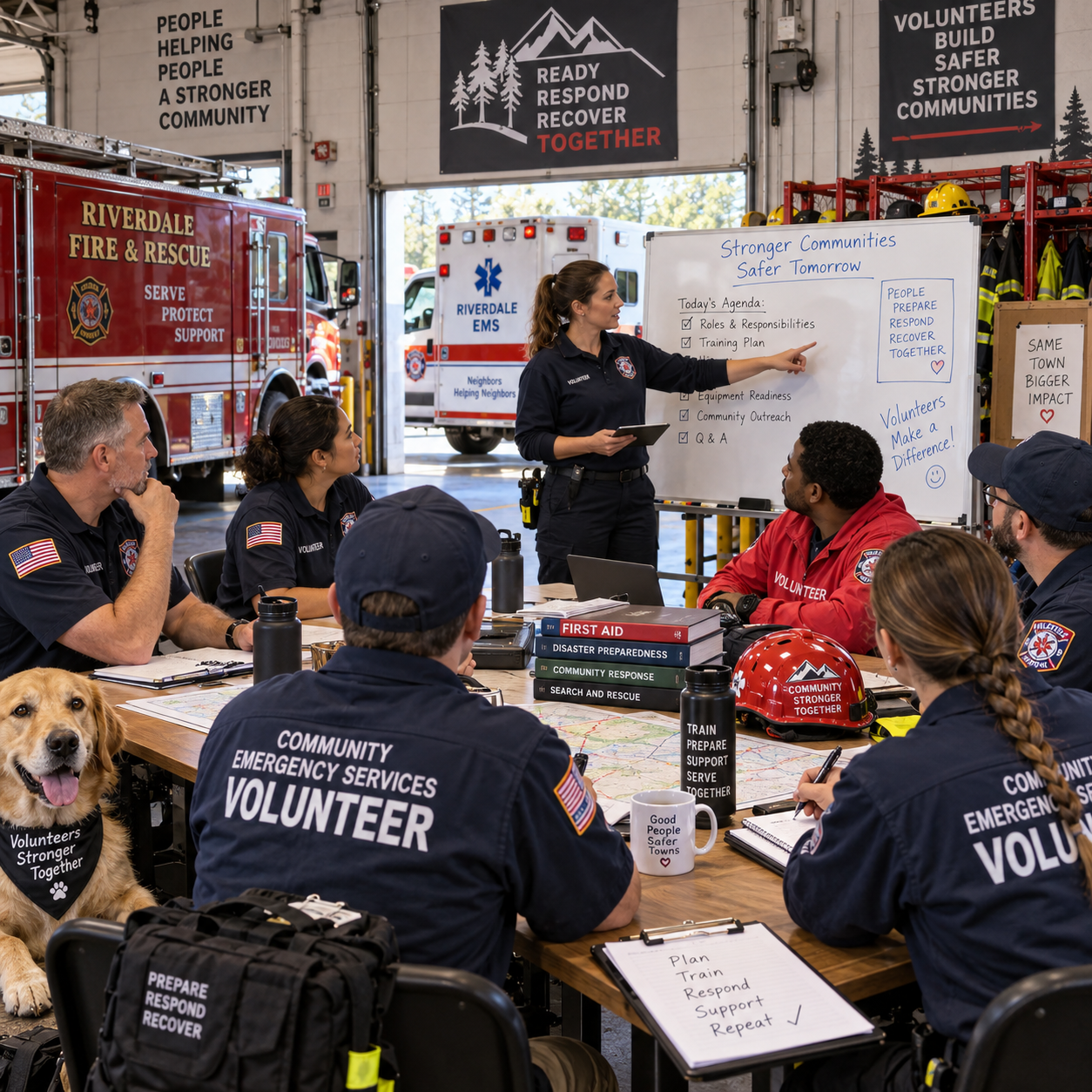
Emergency services volunteers help communities prepare for and respond to local needs, but sustaining a capable team takes more than putting out a recruitment appeal. People are more likely to join and stay when they understand the role, receive appropriate training, and feel supported by the service.
Plan volunteer recruitment as a full journey: make the work clear, reach people through trusted channels, provide a fair selection process, and keep listening after onboarding. This approach helps candidates decide whether they can commit and gives current volunteers practical reasons to continue.
Start with clear roles and realistic expectations
Define each volunteer role, its time commitment, required qualifications, and available support before recruiting. Clear expectations help candidates choose a suitable role and reduce avoidable disappointment after they join.
Describe the work in plain language. Explain typical duties, training requirements, scheduling arrangements, and any eligibility or background checks. Be specific about what the role does and does not include; a volunteer role may support an emergency services organization without involving direct emergency response.
Set out the likely commitment honestly. For example, state whether volunteers attend regular meetings, complete initial training, participate in community events, or respond when available. If schedules vary, say so rather than implying that every volunteer must offer the same availability.
A useful role description covers:
- Main duties: What the volunteer will do and which tasks belong to trained staff.
- Time and location: Typical hours, meeting frequency, and whether duties take place at a station or in the community.
- Requirements: Age limits, qualifications, checks, physical requirements, or other criteria that apply under local policy.
- Support and boundaries: Who supervises the role, what training is provided, and how volunteers can raise concerns.
Review role descriptions with current volunteers. They can identify details that sound appealing on paper but do not reflect the actual workload or support available.
Reach potential volunteers where they are
Recruit emergency services volunteers through trusted local networks, community groups, existing volunteers, and clear calls to action. Repeated, accessible outreach is more useful than relying on a single recruitment campaign.
Start with places where people already connect: libraries, schools and colleges, neighborhood associations, faith communities, local employers, and civic events. Ask community partners to share a concise role description and a direct way to learn more. Existing volunteers can also explain their experience, as long as they describe the commitment accurately.
Make the next step easy. A recruitment notice should name the role, give a realistic overview of time and training, and tell people how to ask questions or apply. Offer an information session or informal conversation for those who are interested but not yet ready to complete an application.
Look beyond the people who have traditionally volunteered. Check whether your messages, meeting times, and application methods are accessible to people with different work schedules, caregiving responsibilities, language needs, and levels of prior experience. Removing barriers does not mean lowering safety standards; it means making the route into the role clear and fair.
Track which channels lead to useful conversations and completed applications. A simple record of referrals, event inquiries, and application sources can help the service focus its time without assuming that one channel will work for every community.
Make the application and selection process welcoming
A welcoming selection process explains each step, avoids unnecessary hurdles, and assesses whether candidates can meet the role’s requirements. Apply the same relevant standards consistently, including any checks required by local policy.
Tell applicants what to expect, how long each step may take, and whom to contact with questions. Keep forms focused on information needed to assess suitability, availability, and eligibility. If a check or reference is required, explain why and how the information will be handled in line with applicable rules.
Use conversations to explore practical fit, not just enthusiasm. Ask candidates about their availability, interests, relevant skills, and understanding of the role. Give them time to ask about training, supervision, and workload. A candidate who chooses a different role or decides not to proceed after hearing the facts has still had a useful, respectful experience.
Consider accessibility at every stage. Offer reasonable ways to request accommodations, provide clear instructions, and avoid assuming that every applicant can attend an in-person meeting at a fixed time. Keep selection decisions grounded in the duties of the specific role, rather than informal impressions or a preference for people who resemble current team members.
Build confidence through onboarding and training
Effective onboarding introduces volunteers to the organization, the boundaries of their role, key policies, and the training needed before they take on assigned duties. Training and readiness should be ongoing, with supervision that matches the work.
Give each new volunteer a named contact and a written onboarding plan. Cover the organization’s purpose, reporting lines, conduct expectations, confidentiality, safety procedures, and how to ask for help. Explain which tasks a volunteer may perform only after completing specific training or receiving authorization.
Training should fit the role rather than follow a one-size-fits-all checklist. Include relevant practice, clear guidance, and a way to confirm understanding. Keep records of completed training and any required renewals, while making it easy for volunteers to find current procedures. Enthusiasm and prior experience are valuable, but neither replaces approved training or safety rules.
Pairing a new volunteer with an experienced mentor can help them learn the local routines and feel comfortable asking basic questions. Schedule a check-in after the first few weeks, then again after the volunteer has had time to experience the real workload. Use those conversations to clarify expectations before small problems become reasons to leave.
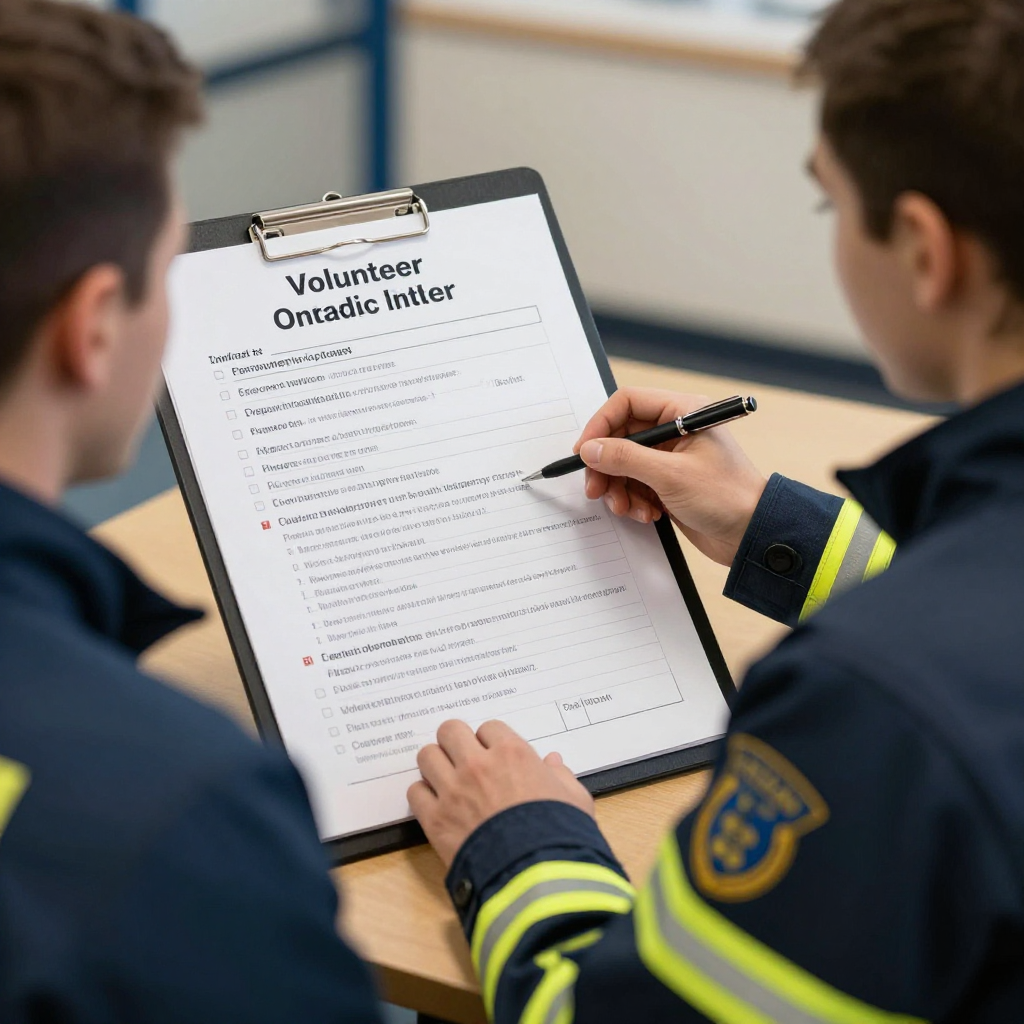
Create conditions that support long-term commitment
Volunteers are more likely to remain when schedules, communication, safety, and workload are manageable. Retention depends on the everyday experience of volunteering, not only on a person’s initial motivation.
Offer scheduling options where the role allows them, and avoid treating availability as a measure of commitment. Share calendars early, explain how to report an absence, and give volunteers a clear way to decline tasks that fall outside their role or capacity. Predictable arrangements help people balance service with work, study, family, and rest.
Communicate consistently. Let volunteers know about changes, decisions that affect their duties, and whom to contact when they need support. If a service cannot accommodate a request, explain the reason and consider whether another role or schedule might work.
Burnout prevention requires attention to workload and wellbeing. Watch for signs such as repeated missed commitments, withdrawal from team communication, or volunteers taking on more than their agreed duties. Check in privately, discuss adjustments, and point people toward appropriate support when needed. Do not assume that caring deeply about the community means someone can be available indefinitely.
Review safety procedures and supervisory capacity as the team grows. Recruiting more volunteers without enough training, equipment, or coordination can strain the organization and create avoidable risks. Sustainable growth means matching the number of volunteers to the support the service can reliably provide.
Recognize contributions and learn from volunteers
Meaningful volunteer recognition is timely, specific, and suited to the person being thanked. Regular feedback from volunteers also helps services improve recruitment, onboarding, workload, and retention.
Recognition does not need to be elaborate. A supervisor can thank someone for a specific contribution, share a volunteer’s accomplishment with permission, or mark training milestones and service anniversaries. Ask how people prefer to be recognized; some welcome public acknowledgment, while others value a private note or a practical expression of thanks.
Make feedback part of normal operations. Use brief one-to-one check-ins, team discussions, or an anonymous route for concerns. Ask concrete questions: Was the role description accurate? Did onboarding prepare you for your duties? Are schedules workable? Do you know where to get help? Close the loop by explaining what will change, what cannot change yet, and why.
When a volunteer leaves, invite a respectful exit conversation without pressuring them to stay. Their reasons may reveal a fixable issue, such as unclear communication or a scheduling conflict. Other departures will reflect life changes beyond the service’s control. Learning from both helps the organization make realistic improvements.
Frequently asked questions
What qualities should emergency services volunteers have?
Useful qualities include reliability, respect for others, willingness to learn, sound judgment, and the ability to work within role boundaries. Specific requirements vary by role and organization. Prior experience can help, but services should assess candidates against clear criteria and provide required training rather than assuming enthusiasm is enough.
How can a service recruit volunteers in a small community?
Use trusted local relationships: ask current volunteers and community organizations to share accurate role descriptions, attend local events, and offer informal information sessions. Explain the time commitment clearly and make it easy to ask questions. A smaller pool may limit choices, so recruit steadily and match people to roles that fit their availability and skills.
What should volunteer onboarding include?
Onboarding should cover role duties and boundaries, supervision, organizational policies, safety expectations, communication routes, and required role-specific training. Provide a named contact, a written plan, and early check-ins so new volunteers can ask questions and confirm they understand what they are authorized to do.
How can emergency services reduce volunteer burnout?
Set realistic workloads, communicate schedules early, make it acceptable to decline extra duties, and check in when someone’s participation changes. Review whether volunteers have the training, supervision, and resources to do their assigned work. Adjust roles or schedules where possible, and direct people to appropriate support when a concern needs more than a routine check-in.
How often should volunteers receive refresher training?
Refresher training should follow the requirements of the organization, role, and applicable local policies. Review timing when procedures change, a volunteer takes on new duties, or a gap in readiness appears. Keep a training record and confirm current requirements with the relevant authority; one schedule does not fit every emergency services role.